Black Is the New Black: How America Fell in Love with Looking Like the Antagonist
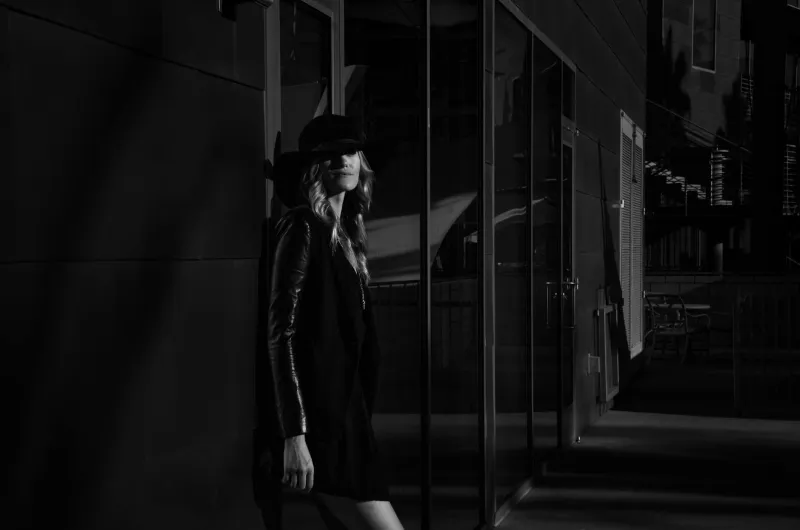
The Plot Twist Nobody Saw Coming
Somewhere between the third rewatch of Wednesday and the rise of "dark academia" Pinterest boards, America collectively decided that looking approachable was overrated. Enter the villain era: a fashion movement that's less about actual villainy and more about channeling the kind of confidence that makes people wonder if you have a secret lair.
Walk through any major city right now and you'll spot them—people dressed like they're perpetually one dramatic coat swish away from delivering the kind of speech that ends with "you'll never stop me." All-black everything, sharp shoulders, leather that looks like it could cut glass, and accessories that whisper "I have plans you couldn't possibly understand."
From Disney Villains to Street Style Icons
The villain aesthetic didn't emerge from nowhere. It's been brewing in the cultural consciousness ever since we collectively realized that Maleficent had better cheekbones than most of us could ever hope for, and that Cruella's coat game was genuinely unmatched. But what started as Halloween costume inspiration has evolved into everyday armor.
Social media algorithms have been particularly kind to this trend. Search "villain era outfit" on TikTok and you'll find millions of videos featuring people transforming from "approachable coffee shop regular" to "person who definitely has a leather-bound agenda and the ambition to execute it." The comments are always the same: "Yes queen, embrace your dark side" and "This is giving main character energy."
But here's the thing—calling it "main character energy" misses the point entirely. This isn't about being the protagonist. This is about being the person in the story who knows exactly what they want and isn't apologizing for the space they take up while getting it.
The Psychology of Power Dressing, Villain Edition
There's something deeply satisfying about putting on an outfit that makes you feel like you could negotiate a hostile takeover before lunch. The villain era wardrobe isn't just about looking good—it's about feeling untouchable, uncompromising, and unapologetically yourself.
Consider the uniform: structured blazers that could double as armor, boots that make every step sound like a declaration of intent, and accessories that serve no purpose other than to suggest you're the kind of person who has both a five-year plan and the wardrobe budget to execute it. It's power dressing for the generation that grew up watching antiheroes become more interesting than heroes.
The Great Softness Rebellion
For years, the fashion world pushed "approachable" style—soft pastels, flowing fabrics, and the kind of aesthetic that screamed "I'm friendly and definitely not plotting anything." The cottage-core movement had us all dressing like we were perpetually on our way to pick wildflowers and bake bread with our bare hands.
The villain era is the pendulum swinging hard in the opposite direction. It's a rejection of the pressure to be perpetually pleasant, visually digestible, and non-threatening. Instead, it's an embrace of sharp edges, dramatic silhouettes, and the kind of presence that makes people step aside on the sidewalk—not out of fear, but out of respect.
Building Your Antagonist Arsenal
The beauty of villain era dressing is that it's remarkably democratic. You don't need a trust fund or a walk-in closet to pull it off. The key pieces are surprisingly accessible:
A well-tailored black blazer becomes your suit of armor. Dark denim or tailored trousers that fit like they were made for you. Boots—ankle, knee-high, or combat, depending on your particular brand of intimidation. Accessories that look like they could tell stories: a watch that means business, jewelry with weight and presence, a bag that suggests you carry important documents (even if it's just your grocery list).
The trick isn't in the individual pieces—it's in the attitude. Villain era dressing requires commitment to the bit. You can't half-heartedly villain. It's all dramatic entrances and exits, or it's nothing.
The Cultural Moment We're Having
This trend is hitting right now for a reason. After years of uncertainty, economic anxiety, and being told to "be grateful for what you have," there's something incredibly appealing about dressing like you're not just surviving—you're thriving, scheming, and possibly planning something magnificent.
The villain era wardrobe is aspirational in the best way. It's not about looking wealthy (though leather jackets don't hurt). It's about looking like you know your worth and aren't interested in negotiating it downward to make other people comfortable.
The Plot Armor Effect
Perhaps most importantly, villain era dressing functions as a kind of social plot armor. When you look like you could be the person behind a corporate takeover or at least a really well-executed group project, people treat you differently. Servers bring your coffee faster. Coworkers think twice before dumping extra work on your desk. Random strangers assume you know where you're going.
It's not about being mean or actually villainous—it's about projecting the kind of confidence that suggests you're the protagonist of your own story, not a supporting character in someone else's.
The Future of Looking Formidable
As we head deeper into 2024, the villain era shows no signs of slowing down. If anything, it's evolving, incorporating elements of gothic romanticism, corporate goth, and what fashion insiders are calling "executive witch" aesthetics.
The message is clear: America is tired of dressing down its ambitions. We're ready to look like we have plans, schemes, and the wardrobe to execute them. Whether those plans involve world domination or just getting through Monday morning meetings with our dignity intact is between us and our dramatically structured outerwear.
After all, in a world that often feels chaotic and unpredictable, there's something deeply comforting about looking like you're in control—even if the only thing you're really controlling is how incredible you look while figuring it all out.