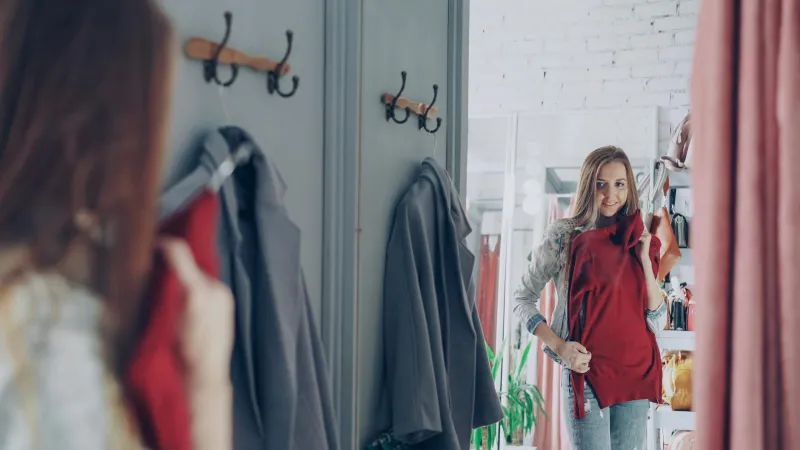
The Theater of Getting Dressed
Open the closet of any successful influencer and you'll find something fascinating: hundreds of pieces of clothing that have been worn exactly once, for exactly as long as it took to photograph them. Tags carefully tucked, brands dutifully mentioned, and then — silence. These items disappear into the back of the closet like actors leaving the stage after their one scene.
We've created an entire economy around clothes that exist primarily to be seen, not worn. And somehow, this digital theater of fashion has started to influence how the rest of us think about getting dressed.
The Mathematics of Content Creation
The influencer economy runs on novelty. You can't post the same outfit twice without risking the algorithm's disapproval and your audience's attention. This creates a bizarre mathematical problem: if you need new content daily and each piece of clothing can only appear once, you need an essentially infinite wardrobe.
Enter the gifted economy. Brands send free clothes to influencers, who wear them once for content, tag the brand, and then... what? The piece has served its purpose. It's generated the required engagement, fulfilled the contractual obligation, and now it just takes up space.
It's like having a closet full of one-night stands. Exciting in the moment, but ultimately unsustainable and emotionally hollow.
The Performance vs. Reality Gap
The strangest part of the content closet phenomenon is how it's influenced regular people's relationship with clothes. We're being sold aspiration by people whose wardrobes are essentially costume departments for a one-person show.
That perfectly styled outfit post? It might have taken two hours to put together, been worn for twenty minutes, and then immediately changed out of because it's completely impractical for actual human activities like sitting, walking, or existing in weather.
Meanwhile, the rest of us are trying to build wardrobes that work for real life — commuting, working, socializing, and all the unglamorous activities that don't make for good content but do make up the majority of our existence.
The Sustainability Paradox
The content closet creates a fascinating contradiction in the age of sustainable fashion. Influencers regularly post about slow fashion and mindful consumption while simultaneously cycling through enough clothing to stock a small boutique.
The cognitive dissonance is staggering. The same person advocating for buying less and choosing quality will showcase a different outfit every day, all of it gifted, all of it worn once, all of it contributing to a culture of fashion as disposable content rather than lasting investment.
It's like being lectured about water conservation by someone who leaves the tap running.
The Psychology of Borrowed Identity
There's something deeply weird about building an identity around clothes you didn't choose and don't pay for. When your wardrobe is curated by brand partnerships and PR packages, are you expressing your personal style or are you just a very well-dressed billboard?
The content closet represents the ultimate commodification of personal expression. Your style becomes a business asset, your taste becomes a marketing tool, and your closet becomes inventory for a content creation business.
For viewers, this creates an impossible standard. We're comparing our carefully curated, budget-conscious wardrobes to someone's essentially unlimited costume collection.
The Trickle-Down Effect
The influence of content culture has changed how regular people shop and think about clothes. The pressure to never repeat outfits, to always have something new to show, to document every purchase — these behaviors have filtered down from influencer culture into everyday life.
Suddenly, wearing the same dress to two different events feels like a failure rather than practical wardrobe management. Having a small, carefully chosen wardrobe feels inadequate compared to the endless novelty of the content closet.
We've internalized the metrics of content creation — likes, comments, engagement — as measures of our personal style success.
The Economics of Artificial Abundance
The content closet economy only works because someone else is paying for it. Brands foot the bill for the endless stream of clothing because they're buying advertising, not just products. The moment that economic relationship changes, the whole system collapses.
It's artificial abundance — the appearance of unlimited choice and consumption without any of the actual costs. It's like being rich with someone else's money and then giving financial advice.
For the rest of us, trying to replicate this aesthetic on our own budgets is a recipe for financial disaster and closet chaos.
Finding Reality in the Performance
The most refreshing influencers are the ones who acknowledge the absurdity of their situation. They'll post about re-wearing pieces, about choosing comfort over content, about the weird reality of having a closet full of clothes they don't actually like but wear for work.
These moments of honesty are rare and valuable because they remind us that the content closet is a business tool, not a lifestyle to aspire to.
Building a Wardrobe That Actually Works
The antidote to content closet envy is remembering what clothes are actually for: protecting your body, expressing your personality, and making you feel confident as you move through your actual life.
A good wardrobe is one where you love most of what you own, where pieces work together in multiple combinations, where you can get dressed without stress because everything fits well and makes you feel like yourself.
It's not about having something new to show every day; it's about having things you genuinely want to wear repeatedly because they work for your life, not your feed.
The Future of Fashion Performance
The content closet phenomenon reveals something important about how we consume fashion in the digital age. We're not just buying clothes anymore; we're buying the raw materials for personal branding.
But there's hope in the growing awareness of this dynamic. More people are recognizing the difference between aspiration and reality, between content and life, between what looks good in photos and what actually feels good to wear.
The most radical thing you can do in the age of the content closet is to build a wardrobe for your actual life, wear things repeatedly without apology, and remember that the best-dressed person in the room is usually the one who looks most comfortable in their own skin — regardless of whether their outfit is Instagram-ready.