Fashion's Greatest Hits Album: The Trends That Refuse to Stay Dead
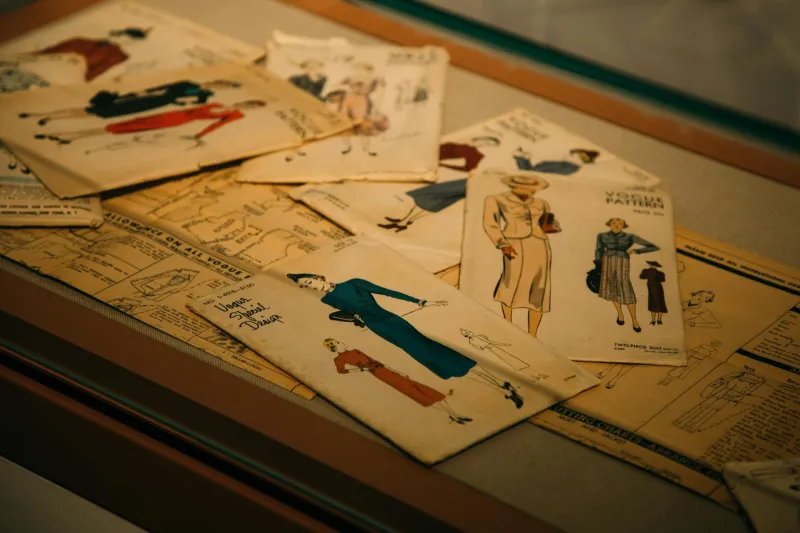
The Eternal Return of Everything
Fashion has a dirty little secret: it's basically a cover band that's been playing the same setlist for decades, just with different backup dancers and updated sound equipment. While everyone acts shocked that "low-rise jeans are back," those of us with functioning memories are over here like, "Again? Already?"
Welcome to fashion's greatest hits album, where every track is a remix and every generation thinks they're hearing it for the first time.
The Twenty-Year Rule (Give or Take)
Fashion operates on what industry insiders call the "twenty-year cycle"—though let's be honest, it's more like a fifteen-year cycle now because capitalism has anxiety and can't wait that long. The basic formula is simple: take something that was popular two decades ago, change the name, adjust the proportions slightly, and present it to a generation that was in diapers the first time around.
It's like fashion's version of the Disney vault, except instead of releasing Bambi every seven years, we're releasing cargo pants.
The Rebranding Industrial Complex
The most fascinating part of fashion's recycling program isn't that trends come back—it's how they get repackaged. The industry has an entire department dedicated to making old things sound new again:
Then: Peasant skirts
Now: "Prairie core" or "Cottagecore midi skirts"
Then: Trucker hats
Now: "Vintage-inspired baseball caps"
Then: Belly chains
Now: "Body jewelry" or "Waist accessories"
Then: Platform shoes
Now: "Chunky sole sneakers" or "Statement heel boots"
It's the same energy as your local radio station claiming they're playing "today's hottest hits" while spinning a song from 2003.
The Millennial Fashion Time Loop
Millennials are currently experiencing the deeply unsettling phenomenon of watching Gen Z "discover" their middle school wardrobe. The low-rise jeans, the butterfly clips, the tiny sunglasses—it's all back, and it's being presented as revolutionary new fashion.
Meanwhile, millennials are standing in Target like, "I literally still have trauma from trying to find jeans that covered my entire torso in 2004."
But here's the plot twist: millennials did the exact same thing to Gen X. Remember when we "discovered" high-waisted jeans and acted like we'd invented them? Gen X was probably rolling their eyes so hard they could see their own brain stems.
The Silhouette Shuffle
If you really want to see fashion's recycling program in action, just track silhouettes over time. It's like watching a pendulum swing between exactly two positions:
The Swing: Skinny → Baggy → Skinny → Baggy
The Evidence:
- 1960s: Shift dresses (straight and narrow)
- 1970s: Flowy bohemian everything (loose and flowing)
- 1980s: Shoulder pads and structured blazers (angular and defined)
- 1990s: Slip dresses and grunge (loose and unstructured)
- 2000s: Low-rise and fitted everything (tight and revealing)
- 2010s: Skinny jeans reign supreme (painted-on perfection)
- 2020s: Oversized blazers and wide-leg pants (swimming in fabric)
We're basically playing fashion ping-pong, and the ball is your wardrobe.
The Nostalgia Marketing Machine
Fashion brands have figured out that nostalgia sells, but they've also figured out how to manufacture it. They're not just waiting for natural trend cycles anymore—they're actively mining the past for content like archaeologists with profit margins.
Every brand now has a "vintage-inspired" collection that's actually just their old designs with updated fits. It's like fashion's version of a greatest hits album: same songs, remastered for today's audiences.
The Acceleration Problem
The internet has thrown fashion's natural rhythm completely off. Trends that used to take two decades to cycle back are now returning in five years. We're speed-running nostalgia, and it's creating some temporal whiplash.
Social media influencers are out here calling 2016 trends "vintage," and honestly, they're not wrong. In internet time, six years ago might as well be the Renaissance.
The Pattern Recognition Test
Once you start seeing fashion's patterns, you can't unsee them. Here are some trends currently "having a moment" that are actually having their third or fourth moment:
Bucket Hats: Popular in the '60s, back in the '90s, disappeared in the 2000s, returned in the 2010s, and now they're "having a moment" again.
Chunky Sneakers: '80s aerobics shoes became '90s dad shoes became 2000s "ugly" shoes became today's "statement sneakers."
Cropped Cardigans: Every few years, someone "discovers" that you can make a cardigan shorter and acts like they've revolutionized knitwear.
Wide-Leg Pants: The fashion industry keeps "bringing back" wide-leg pants like they're doing us a favor, when really they're just admitting that skinny jeans were a collective mistake.
The Generation Gap Illusion
The funniest part of fashion's recycling program is watching each generation think they're rebelling against their parents' style by... wearing their grandparents' style. Gen Z thinks they're rejecting millennial skinny jeans by wearing Gen X wide-leg pants. It's like fashion's version of "What goes around comes around," except it's more like "What goes around comes around comes around comes around."
The Vintage Authenticity Paradox
Everyone wants "authentic vintage," but actual vintage pieces from popular eras are either destroyed, hoarded by collectors, or cost more than a car payment. So we get "vintage-inspired" pieces that are designed to look old but are actually brand new.
It's like fashion's version of artificial intelligence: we're creating clothes that are designed to fool you into thinking they have a history they don't actually have.
The Future Is the Past
So what's next? If fashion history is any guide, we're probably about five years away from everyone "discovering" whatever was popular in 2010. Get ready for the return of statement necklaces, infinity scarves, and whatever else we collectively agreed to forget.
The fashion industry will present it as revolutionary. Influencers will act shocked. And somewhere, a millennial will find their old accessories box and wonder if they should have just held onto everything.
Breaking the Cycle (Or Not)
The truth is, fashion's recycling program isn't necessarily a bad thing. Trends come back because they work, because they're flattering, because they solve problems that don't actually change much over time. The human body hasn't evolved much in the past century, so it makes sense that the solutions for dressing it haven't either.
The only real choice is whether you want to be conscious of the cycle or not. You can play along knowingly, or you can pretend each trend is a fresh discovery. Either way, your closet will probably look remarkably similar to someone's closet from twenty years ago.
Fashion's greatest hits keep playing because, ultimately, they're hits for a reason. The question isn't whether trends will come back—it's whether you'll recognize the song when it starts playing again.