The Psychology of Strategic Dressing
Somewhere between the third season of Succession and the collective realization that being nice wasn't getting us anywhere, America decided to start dressing like we have ulterior motives. The "villain era" aesthetic isn't about looking evil — it's about looking like you've stopped apologizing for taking up space.
This isn't your grandmother's power dressing, with its shoulder pads and aggressive femininity. This is something more subtle, more architectural. It's the difference between shouting "I'm in charge" and quietly arranging the room so everyone naturally looks to you for answers.
The Foundation: Tailoring That Means Business
Start with structure. The villain era wardrobe is built on pieces that hold their shape even when you're falling apart. Think blazers with clean lines and coats that could probably stand up on their own. The goal isn't fashion-forward; it's intimidation-adjacent.
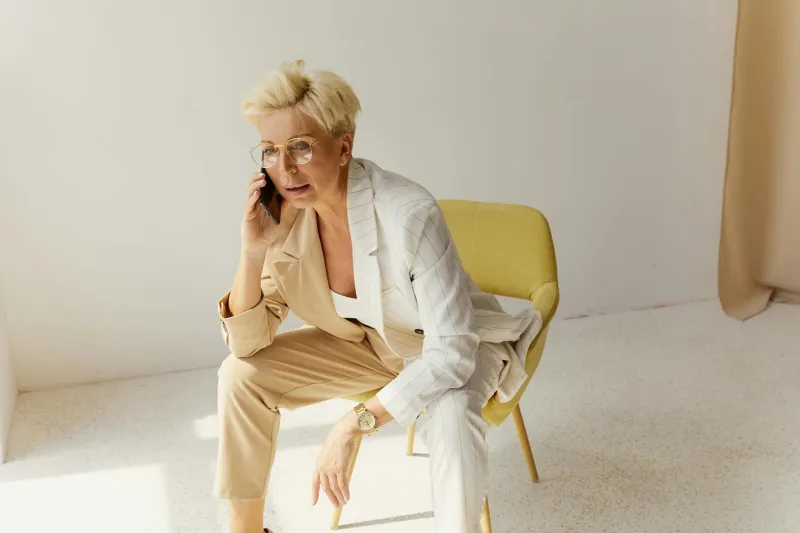
A well-tailored black blazer becomes your armor. Not the boxy, apologetic blazers of the early 2000s, but something with intention. Sharp lapels, a defined waist, and sleeves that hit exactly where they should. When you walk into a room wearing it, people should instinctively start wondering what you're planning.
The coat is your signature piece. Long, structured, preferably in a color that makes people think twice about approaching you. Camel if you want to look expensive, black if you want to look untouchable, navy if you want to look like you own a yacht but never mention it.
The Color Palette of Calculated Neutrals
Villain dressing operates in a very specific color range: black, white, cream, camel, and the occasional strategic pop of burgundy or forest green. These aren't colors that demand attention; they're colors that command respect.
Black is obvious but effective. It's the color of people who have their life together, or at least want you to think they do. White is power in its purest form — the confidence to wear something that shows every flaw while somehow looking flawless. Cream and camel are for when you want to look expensive without trying, like old money that doesn't need to prove anything.
Accessories That Whisper Threats
The devil is in the details, and the details are what separate someone having a bad day from someone orchestrating a five-year plan. Your accessories should be few but impactful.
A watch that costs more than most people's rent, or at least looks like it does. Sunglasses that you wear indoors occasionally, not because you're hungover but because you're thinking. A bag that's structured enough to carry important documents but soft enough to suggest you have a human side.
Jewelry should be minimal but meaningful. Think signet rings, delicate chains, earrings that catch the light when you turn your head dismissively. Nothing that jangles or draws attention to itself. Your accessories should whisper, not shout.
The Silhouettes of Strategic Ambiguity
Villain era dressing is about creating silhouettes that are memorable without being obvious. Everything should fit like it was made for you, because confidence is the ultimate accessory and nothing kills confidence faster than tugging at your clothes.
Trousers should be high-waisted and perfectly tailored. Skirts should hit at the knee or below, with enough structure to maintain their shape when you sit down to destroy someone's quarterly projections. Dresses should be sheath-style or A-line, nothing that requires constant adjustment or apology.
The goal is to look put-together enough that people assume you have your life figured out, even if you spent twenty minutes this morning looking for your keys.
Footwear That Means Business
Shoes are where the villain era aesthetic gets practical. You need footwear that can carry you through a full day of mysterious activities without betraying any discomfort. Heels should be substantial but walkable. Flats should be leather and architectural. Boots should suggest you're prepared for anything.
The sound your shoes make when you walk should be intentional. A confident click on hard floors, a purposeful stride that suggests you know exactly where you're going, even if you're just heading to the bathroom.
The Maintenance of Mysterious Competence
Looking like you have a five-year plan requires actual planning. Your clothes need to be pressed, your accessories polished, your hair styled in a way that suggests you wake up looking deliberate. This isn't about perfection; it's about intention.
Dry cleaning becomes an investment, not an expense. Tailoring becomes routine maintenance. You start thinking about your wardrobe the way other people think about their retirement fund — with long-term strategy and occasional panic.
Why We're All Dressing Like We Have Secrets
The villain era aesthetic speaks to something deeper than fashion trends. In a world where being agreeable hasn't gotten us very far, we're experimenting with looking like we might have other options. It's armor disguised as clothing, confidence borrowed from our closets until we can grow our own.
Maybe we don't actually have five-year plans. Maybe we're just tired of looking like we're apologizing for existing. Either way, there's something to be said for dressing like you're the protagonist of your own story, even if that story occasionally involves crying in your car.
The villain era isn't about becoming someone else; it's about looking like the version of yourself that has their act together. And sometimes, if you dress the part long enough, you might just grow into it.